How to Spot Early Signs of Transmission Failure
Identifying early signs of transmission failure is pivotal for vehicle maintenance. Unusual noises during gear changes, delayed or erratic shifting, and slipping gears during acceleration signal potential issues. Leaking transmission fluid and dashboard warning lights require immediate attention. Ignoring these indicators can lead to costly repairs and further deterioration. Regular inspections and professional diagnosis are indispensable. Understanding these symptoms assures timely intervention and efficient vehicle operation. What’s the next step in preserving transmission health?
Unusual Noises When Shifting Gears
Unusual noises when shifting gears can often indicate underlying issues within a vehicle’s transmission system. These intermittent noises typically manifest as grinding, whining, or clunking sounds during gear changes. Such audible disturbances might suggest problems with the transmission’s mechanical components, such as worn synchronizers, damaged gears, or insufficient lubrication. Gear shifting difficulties may accompany these noises, characterized by resistance or hesitancy when moving the gear lever. These symptoms can be indicative of misaligned gear teeth or a deteriorating clutch assembly, which can exacerbate stress on the transmission. Early detection of these auditory signals is indispensable for preventing more severe transmission damage and costly repairs. Regular maintenance and immediate attention to these issues can help prolong the transmission’s lifespan and ensure peak vehicle performance.
Delayed or Erratic Shifting
Transmission problems can manifest through delayed or uneven shifting, signaling potential issues within the vehicle’s intricate transmission system. These issues often present as rough gear engagement, where the vehicle hesitates or jolts during gear changeovers. Uneven gear changes can occur, resulting in inconsistent performance and unpredictable driving dynamics. Such symptoms may indicate underlying mechanical complications, including worn synchronizers, deteriorated transmission fluid, or malfunctioning solenoids. Technicians can diagnose these issues by evaluating the transmission’s hydraulic and electronic systems, ensuring ideal fluid levels, and inspecting internal components for wear and damage. Addressing these concerns promptly is essential to preventing further deterioration. Ignoring delayed or uneven shifting can lead to more severe transmission failures, ultimately requiring extensive repairs or complete replacement.
Slipping Gears During Acceleration
Slipping gears during acceleration often indicate a significant problem within the vehicle’s transmission system. This issue can manifest through fluctuating RPMs, where the engine’s revolutions per minute unexpectedly rise or fall without corresponding changes in speed. Such fluctuations may lead to hesitant acceleration, causing the vehicle to feel sluggish or unresponsive.
To diagnose this problem, vehicle owners should watch for these signs:
- Inconsistent Power Delivery: Noticeable delays or surges when accelerating can signal slipping gears.
- Erratic RPM Behavior: Rapid changes in RPMs without driver input often suggest transmission issues.
- Unusual Noises: Clunking or whining sounds during acceleration might accompany gear slipping.
Recognizing these symptoms early can prevent further damage and costly repairs to the transmission system.
Leaking Transmission Fluid
A common indicator of potential transmission issues is the presence of leaking transmission fluid. This fluid is essential for lubricating and cooling the transmission system. When leaks occur, transmission fluid levels decrease, impairing the system’s ability to function efficiently. Low fluid levels can lead to overheating and result in premature transmission component failure. Leaks often originate from worn seals, gaskets, or cracks within the transmission housing. Identifying the source of the leak requires a thorough inspection, including the pan gasket, input/output shaft seals, and cooler lines. Observing reddish fluid beneath the vehicle or on the engine bay can be a sign of leakage. Regularly checking fluid levels and addressing leaks promptly is crucial to preventing extensive damage to the transmission system.
Warning Lights on the Dashboard
Warning lights on the dashboard serve as critical indicators of potential transmission issues, with common symbols including the transmission temperature warning and the check engine light. The color of these dashboard lights, typically red, amber, or green, provides immediate insight into the urgency of the situation, with red requiring immediate attention. Upon illumination of these alerts, it is imperative to consult the vehicle’s manual and possibly seek professional diagnostics to prevent further damage.
Common Transmission Warning Lights
Frequently, the dashboard of a vehicle serves as an essential interface for communicating critical information, including the condition of the transmission system. When specific warning lights illuminate, they may indicate potential issues such as abnormal vibrations or erratic clutch behavior, both of which can signify early transmission problems.
Key transmission warning lights include:
- Transmission Temperature Light: This light indicates the transmission fluid is excessively hot, which may result in abnormal vibrations due to inadequate lubrication.
- Check Engine Light: While not exclusive to the transmission, this light can signal transmission-related issues that require immediate attention, such as erratic clutch behavior.
- Transmission Warning Light: Often represented by a gear symbol, this light specifically alerts to faults within the transmission system, necessitating prompt diagnostic evaluation.
Interpreting Dashboard Light Colors
In addition to the specific symbols and alerts associated with the transmission system, the color of dashboard lights plays a pivotal role in conveying the urgency of the situation. When interpreting dashboard signals, red lights indicate immediate attention is required due to potential safety risks or severe malfunctions. Yellow or amber lights suggest caution; they warn of issues that need inspection soon but are not immediately indispensable. Green or blue lights generally indicate system status or activation without implying malfunction. Dashboard light issues can stem from sensor errors or system malfunctions, making accurate interpretation essential for determining the next steps. Understanding these color-coded signals guarantees drivers can prioritize necessary actions, potentially preventing further damage to the vehicle’s transmission system.
Immediate Actions for Alerts
When a warning light illuminates on the dashboard, it is vital for drivers to respond promptly and appropriately to mitigate potential risks. Immediate action involves the following steps:
- Retrieve Diagnostic Trouble Codes (DTCs): Utilize an OBD-II scanner to extract DTCs from the vehicle’s computer system. These codes provide insight into potential issues, including transmission-related problems.
- Evaluate Shifting Performance Concerns: Monitor the vehicle’s shifting behavior. Any irregularities, such as delayed or harsh gear changes, could indicate transmission failure.
- Consult a Professional Technician: Seek a certified mechanic to interpret DTCs and assess shifting performance. Their expertise is imperative for diagnosing the root cause and recommending necessary repairs.
These actions help prevent further damage and guarantee the vehicle’s safe operation.
Burning Smell From the Engine
A burning smell emanating from the engine area can be a critical indicator of transmission issues. This odor often results from potential engine overheating or from transmission fluid leaking onto hot engine components. Addressing fluid leaks promptly is essential to prevent further damage and guarantee excellent vehicle performance.
Identifying Burning Odors
Despite the complexity of modern vehicles, the presence of a burning odor emanating from the engine compartment can be a critical indicator of potential transmission issues. A burning smell often signifies an unusual transmission odor, which may result from overheating transmission fluid. This overheating can lead to noticeable fluid discoloration, further compromising the system’s functionality. Identifying these odors requires attention to specific signs:
- Unfamiliar Smell: Detect any smell that resembles burnt rubber or burning chemicals, which is unusual for normal vehicle operations.
- Fluid Check: Inspect the transmission fluid for darkening or a burnt appearance, indicating thermal degradation.
- Consistent Odor: Persistent burning odors during operation suggest a continuous issue, warranting immediate professional evaluation to prevent transmission failure.
Potential Engine Overheating
The presence of a burning smell originating from the engine bay may indicate potential engine overheating, a condition that can severely impair vehicle performance and longevity. When the engine exceeds ideal fluid temperature thresholds, it risks entering a state of thermal overload. This occurs when cooling systems fail to dissipate excess heat efficiently, resulting in compromised engine components. Elevated fluid temperatures can degrade lubricants, reducing their effectiveness and causing increased friction among moving parts. In such scenarios, the risk of component warping or failure escalates. Monitoring fluid temperature is imperative, as persistent overheating can lead to catastrophic engine damage. By recognizing these early signs, vehicle operators can take preventive measures, ensuring the engine operates within its designed thermal limits.
Addressing Fluid Leaks
Fluid leaks within an engine bay are a common precursor to the detection of a burning smell, often serving as an early warning sign of potential transmission issues. Identifying these leaks involves scrutinizing fluid characteristics. Technicians should:
- Inspect Fluid Consistency: Irregular fluid consistency, such as a thicker or thinner texture than usual, suggests a potential transmission concern. Consistency changes can indicate contamination or degradation.
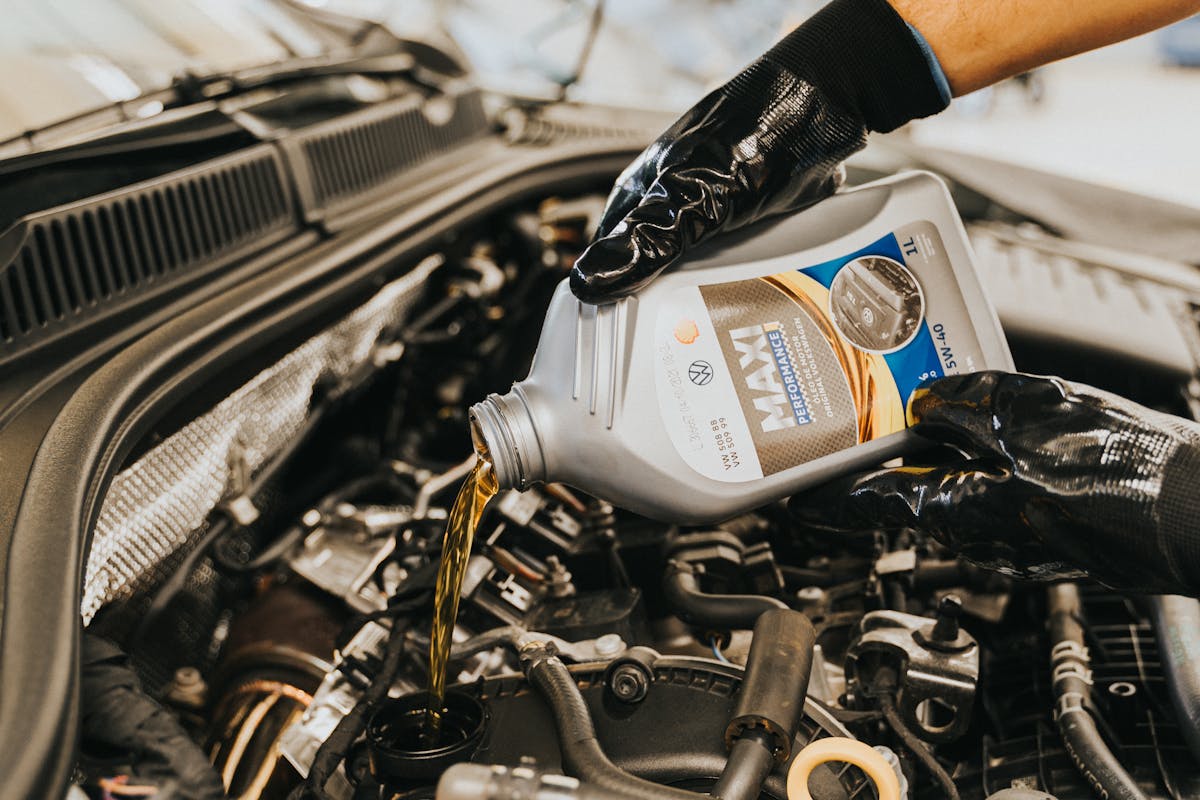
- Observe Fluid Color: Detecting unusual fluid color, such as a dark or cloudy appearance, might imply oxidation or overheating within the transmission system. Transmission fluid should typically be a clear red.
- Check for Accumulation: Accumulation of fluid beneath the vehicle hints at significant leaks, requiring immediate attention to prevent further damage and costly repairs. Monitoring these signs aids in preemptive maintenance.
Grinding or Shaking Sensation
When a vehicle begins to exhibit a grinding or shaking sensation, it often indicates a potential transmission failure that requires immediate attention. This mechanical issue is characterized by unusual vibrations emanating from the transmission system, which can manifest as a rhythmic shaking or a harsh grinding noise. Such sensations often occur during acceleration or gear shifts, and they suggest misalignment or wear within the transmission’s components. Drivers may also notice erratic behavior in vehicle performance, such as hesitations or surges, which are symptomatic of underlying transmission issues. These signs are critical indicators that the transmission’s internal mechanisms—such as gears or bearings—may be compromised. Prompt diagnosis and repair are essential to prevent further damage and guarantee safe vehicle operation.
Unresponsive or Stuck Gears
How does one recognize the troubling signs of unresponsive or stuck gears in a vehicle’s transmission system? Observing stuck gears behavior and unusual gear engagement patterns can indicate potential issues. Stuck gears may result from internal malfunctions, leading to inefficient gear shifts or complete gear immobility. Precision in identifying these symptoms is vital to prevent further transmission damage.
- Delayed Shifting: A noticeable pause when shifting gears may signal an unresponsive transmission, pointing to unusual gear engagement patterns.
- Inability to Change Gears: If the transmission refuses to shift from one gear to another, it likely indicates a stuck gears behavior.
- Erratic Gear Changes: Unexpected shifts into neutral or incorrect gear selection without driver intervention can further illustrate transmission issues.
Addressing these signs promptly is essential to maintaining vehicle integrity.
Decreased Vehicle Performance
A noticeable decline in vehicle performance often serves as an early indicator of transmission issues. One symptom includes decreased acceleration, which may manifest as delayed or sluggish response when the driver attempts to increase speed. This can be attributed to the transmission’s inability to efficiently transfer power from the engine to the wheels. Additionally, increased fuel consumption is commonly observed, as the engine compensates for transmission inefficiencies by consuming more fuel than usual. Such inefficiencies can arise from worn-out components, fluid leaks, or improper fluid levels within the transmission system. These factors contribute to a vehicle’s reduced capacity to perform in an ideal manner, thereby signaling potential transmission failure. Early detection of these symptoms is paramount to prevent further mechanical degradation and costly repairs.
Frequently Asked Questions
What Is the Average Lifespan of a Transmission?
The average lifespan of a transmission is typically between 100,000 to 200,000 miles. Factors influencing longevity include transmission fluid viscosity and transmission component wear, both of which substantially affect operational efficiency and overall durability.
How Often Should I Check My Transmission Fluid?
Transmission fluid should be checked monthly to guarantee proper fluid level. Regular transmission inspections are pivotal for preserving ideal performance and preventing issues. Adhering to this schedule helps identify potential problems before they develop into significant transmission failures.
Can Weather Conditions Affect Transmission Performance?
Yes, weather conditions can affect transmission performance. Extreme temperature fluctuations may lead to fluid contamination, impacting viscosity and lubrication. This can result in erratic gear shifts and overheating, necessitating regular inspection and maintenance for ideal function.
What Maintenance Can Prevent Transmission Failure?
Preventing transmission failure involves regular fluid changes, ensuring ideal lubrication and cooling. Periodic inspections detect wear or damage early, allowing for timely repairs. This proactive maintenance sustains transmission efficiency and longevity, minimizing costly breakdowns and extensive repairs.
Are Transmission Repairs Typically Covered by Insurance?
Transmission repairs are not typically covered by standard insurance policies. Determining coverage requirements involves reviewing the specific policy details and evaluating policy exclusions, which often exclude wear and tear or maintenance-related issues from coverage.