
Steering Wheel Problems: What They Mean for Your Car
Steering wheel problems can indicate various underlying issues within a vehicle’s steering system. Stiff or vibrating steering wheels often suggest concerns like improper lubrication, wheel misalignment, or power steering fluid contamination. These issues not only affect the driving experience but also compromise safety by reducing vehicle control. Identifying the root causes, such as worn components or inadequate maintenance, is essential for restoring ideal steering performance. Understanding these symptoms can help maintain your car’s handling and stability.
Common Causes of Steering Wheel Stiffness
Steering wheel stiffness is often attributed to several common causes, each affecting the vehicle’s handling dynamics. One primary factor is steering wheel calibration, which guarantees the precise alignment and responsiveness of the steering mechanism. Calibration errors can result in increased resistance, causing the wheel to feel unusually rigid. Moreover, improper lubrication within the steering system, including the rack and pinion components, can exacerbate friction, leading to stiffness. Lubricants play a critical role in minimizing wear and sustaining fluid motion. When lubrication is insufficient or degraded, it adversely affects the steering’s smooth operation. Regular maintenance and timely inspections are imperative to identify and rectify these issues, ensuring ideal steering performance and vehicle control. Proper attention to these factors can mitigate steering stiffness effectively.
Understanding Steering Wheel Vibrations
What causes a steering wheel to vibrate? A primary factor includes wheel balance issues, where uneven weight distribution results in oscillations at specific speeds. This phenomenon can lead to significant discomfort and reduced control. Furthermore, the wheel bearing condition is critical; worn or damaged bearings can induce irregular vibrations, especially during acceleration or deceleration. These components guarantee the smooth rotation of wheels, and their deterioration directly impacts driving experience.
Key contributors to steering wheel vibrations include:
- Unbalanced wheels: Causes oscillatory motion, especially noticeable at higher speeds.
- Worn wheel bearings: Leads to uneven wheel rotation, causing intermittent vibrations.
- Damaged suspension components: Affects stability, further exacerbating vibrational issues.
Addressing these technical factors is essential to maintain ideal vehicle performance and safety.
The Impact of Tire Alignment on Steering
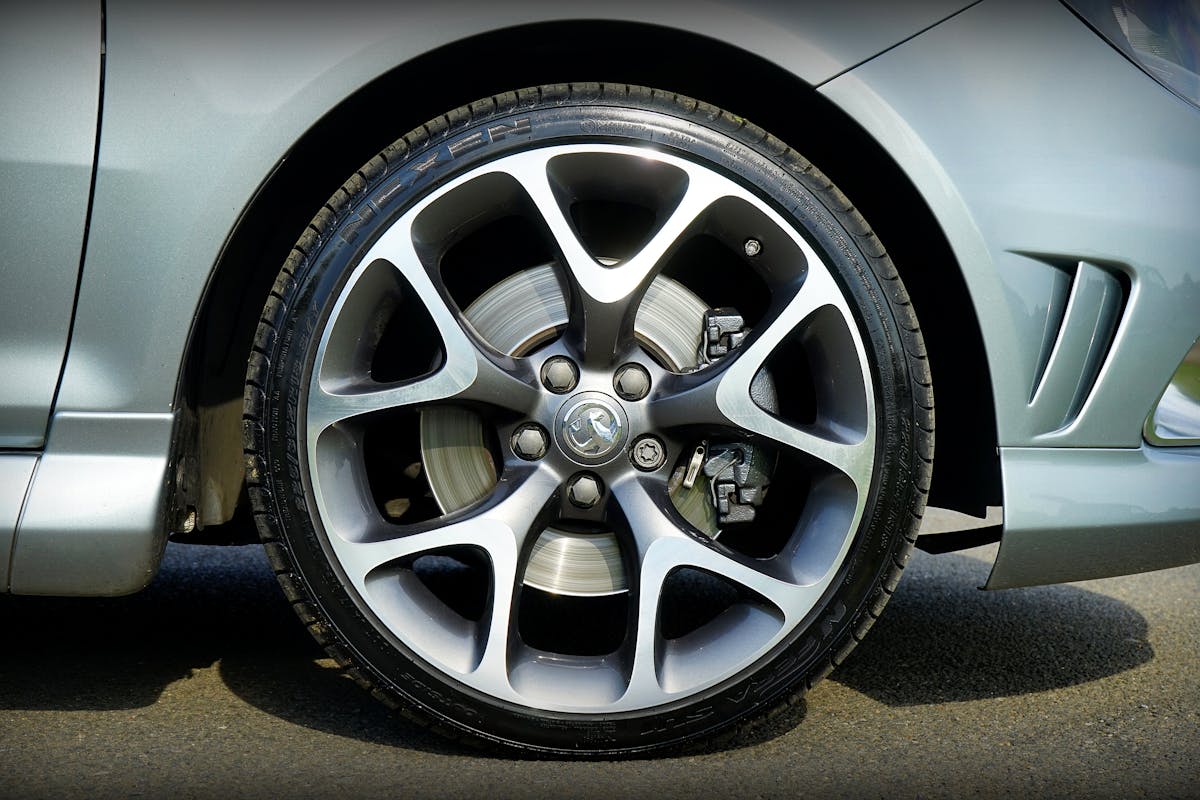
Proper tire alignment substantially influences steering performance and overall vehicle handling. Wheel alignment accuracy is critical to guaranteeing that the tires meet the road at the correct angle, maximizing contact and minimizing uneven tire wear. When alignment deviates, it can lead to uneven steering, reduced control, and increased tire degradation. Tire balancing importance cannot be underestimated, as imbalanced tires cause vibrations that compromise steering precision and contribute to driver fatigue. Both alignment and balancing are essential for maintaining the vehicle’s intended path with minimal steering effort. Poorly aligned or unbalanced tires impose additional strain on steering components, potentially leading to more significant mechanical failures. Regular maintenance of these parameters ensures optimal steering functionality and prolongs the lifespan of the vehicle’s tires.
How Power Steering Fluid Affects Your Steering
The functionality of a vehicle’s steering system is greatly influenced by the condition of its power steering fluid. Preserving the proper fluid level is essential to guarantee excellent steering performance, as inadequate fluid can result in increased steering effort and potential system damage. Furthermore, detecting leaks swiftly and maintaining fluid quality are indispensable steps in preventing steering inefficiencies and sustaining the longevity of the steering components.
Fluid Level Importance
Maintaining the correct level of power steering fluid is essential for the ideal functioning of a vehicle’s steering system. A proper fluid level check not only sustains smooth steering operation but also prevents potential damage to the power steering pump and other components. It is fundamental to routinely monitor fluid quality, as degraded or contaminated fluid can lead to increased steering effort and noise. Proper fluid management involves:
- Checking fluid levels: Regular inspections help in preserving optimal performance.
- Assessing fluid color and consistency: Clear, uncontaminated fluid guarantees efficient hydraulic pressure.
- Evaluating fluid odor: Burnt smells indicate overheating or system issues.
These checks are indispensable in upholding the vehicle’s steering efficiency, reducing wear, and extending the overall lifespan of the steering system.
Identifying Leaks
Why is it essential to identify power steering fluid leaks promptly? Timely detection of power steering leaks is critical to maintaining ideal vehicle performance. Leaks can lead to decreased fluid levels, resulting in increased steering effort and potential steering system damage. Identifying fluid contamination through visual inspection can reveal leaks; compromised fluid often appears dark or has a burnt odor. Detecting power steering leaks requires examining components like hoses, seals, and the steering rack for visible fluid residue or drips. Utilizing UV dye and a UV light can further aid in pinpointing leak sources. Immediate attention to these issues prevents further degradation of steering components and guarantees uninterrupted vehicle safety and maneuverability. Identifying issues early reduces repair costs and prolongs system longevity.
Fluid Quality Impact
A crucial factor in steering system performance is the quality of power steering fluid. The fluid’s role is to provide hydraulic pressure, essential for smooth and responsive steering. Fluid contamination can introduce debris, leading to abrasive wear on components, while fluid degradation reduces its efficacy in lubricating and cooling the system. Both issues can culminate in steering difficulties or system failure.
Key impacts of poor fluid quality include: – Increased steering effort: Degraded fluid causes a loss of hydraulic pressure, making the steering wheel harder to turn. – Noisy steering operation: Contaminated fluid may lead to whining or groaning noises from the steering system. – Accelerated component wear: Contaminants act as abrasives, hastening the deterioration of seals and other internal components.
Regular fluid inspection and maintenance are critical to avoid these issues.
Recognizing Steering Rack and Pinion Issues
How can one effectively identify steering rack and pinion issues? A critical analysis involves gauging for signs of rack wear, which may manifest as unusual noises during steering or uneven tire wear. Rack wear can lead to misalignment, reducing steering precision. An inspection of the steering fluid for contamination or leaks can indicate internal rack damage. Additionally, a noticeable increase in steering effort or play in the steering wheel suggests potential rack malfunction. Precise diagnostics should include evaluating the connection between the rack and pinion for any excessive play or damage. If rack wear is confirmed, a rack replacement might be necessary to restore ideal steering function. This tactical approach verifies early detection and rectification before more severe complications arise.
Symptoms of a Worn Steering Column
A worn steering column often manifests through a loose steering feeling, which can compromise vehicle control and safety. Accompanying this is a series of unusual noises, such as clunking or grinding, indicating internal component wear or misalignment. Additionally, drivers may experience difficulty turning the wheel, suggesting increased friction or obstruction within the column mechanism.
Loose Steering Feeling
Many drivers experience a loose steering feeling, a common symptom indicating potential wear in the steering column. This issue manifests as a lack of precision in steering inputs and may lead to difficulties in maintaining a straight path. The steering wheel may exhibit off center steering, requiring constant adjustments to keep the vehicle aligned. Inconsistent responsiveness is another hallmark, where the reaction to steering inputs varies unpredictably. Drivers may notice:
- Excessive play: The steering wheel feels loose, requiring more turning to achieve the desired directional change.
- Vague feedback: A lack of tactile information from the steering system, making it hard to gauge road conditions.
- Delayed response: A lag between steering input and vehicle movement, creating a disconnect between driver intent and car action.
Unusual Noises Emanating
When drivers detect unusual noises emanating from the steering column, it often signifies potential wear or damage within the system. These concerning unusual noises, such as clunking, creaking, or grinding, may indicate a compromised steering column. As components within the column degrade, they may contribute to erratic steering behavior, leading to compromised vehicle control. Such instability in the steering wheel is often symptomatic of internal misalignments or defective bearings. This instability can escalate, affecting the driver’s ability to maintain consistent control over the vehicle. It is vital for automotive technicians to diagnose these issues promptly, as they may not only indicate a worn steering column but also foreshadow more severe mechanical failures if left unaddressed. Regular maintenance checks can help prevent these complications.
Difficulty Turning Wheel
Difficulty in turning the wheel is a common indicator of a worn steering column, often manifesting as increased resistance during steering maneuvers. This symptom typically signifies issues within the steering mechanism, such as increased turning effort required by the driver. The steering wheel binding can occur when internal components, like bearings or joints, degrade or become misaligned, causing friction.
Signs of a worn steering column include:
- Increased turning effort: Noticeable when the driver experiences difficulty during routine turns, especially at low speeds.
- Steering wheel binding: A sensation of the wheel sticking or catching, requiring additional force to move.
- Uneven steering response: The vehicle may respond erratically to steering inputs, compromising control.
Addressing these symptoms promptly is vital to maintaining vehicular safety and handling.
Troubleshooting Steering Wheel Noise
How does one effectively address the perplexing issue of steering wheel noise? Diagnosing the source requires a systematic approach. First, inspect the power steering fluid level; low levels can cause whining noise and lead to a binding steering wheel. Next, examine the condition of the steering column bearings, as wear can create grinding sounds. A loose or damaged steering belt may also result in squealing noises. If the steering wheel becomes unresponsive, investigate the steering linkage components for any looseness or misalignment. Additionally, check for faulty tie rods and ball joints, which can emit clunking sounds. Proper maintenance and timely replacement of worn parts are critical in mitigating steering wheel noise and ensuring ideal steering performance.
When to Replace Your Steering Wheel
Addressing steering wheel noise involves identifying and rectifying specific mechanical issues, yet there are circumstances when replacing the steering wheel itself becomes necessary. Recognizing signs of wear is critical, as deterioration can compromise safety and functionality. Replacement guidelines often suggest evaluating the following conditions:
- Visible Cracks or Peeling: These defects can lead to discomfort or loss of grip, affecting control.
- Excessive Play or Looseness: A loose steering wheel may indicate underlying mechanical issues that necessitate replacement.
- Malfunctioning Controls: Non-responsive buttons or switches on the steering wheel can signify electrical failures, warranting a new installation.
Adhering to these guidelines promotes optimal performance and safety. A thorough inspection by a professional can determine if replacement is the best course of action.
Preventative Measures for Steering Wheel Maintenance
Effective steering wheel maintenance is paramount in ensuring both the longevity and safety of a vehicle’s steering system. A critical aspect involves implementing proper lubrication techniques, which minimize friction and prevent wear on steering components. Lubricants should be selected based on manufacturer specifications, ensuring compatibility with steering materials. Additionally, the lubrication process must be conducted at regular intervals to maintain ideal performance.
Scheduled inspections are equally essential. These inspections should assess the entire steering assembly, including the wheel, column, and linkages, for any signs of wear or damage. Technicians should employ diagnostic tools to identify potential issues before they escalate. By adhering to a rigorous maintenance schedule, vehicle owners can substantially reduce the risk of steering failures and enhance overall vehicular safety.
Frequently Asked Questions
How Does Weather Affect Steering Wheel Performance?
Weather affects steering wheel performance through moisture buildup and temperature fluctuations, which can lead to material expansion or contraction, reduced grip, or electronic malfunctions. These changes may compromise handling precision and overall steering responsiveness in vehicles.
Can Steering Wheel Issues Impact Fuel Efficiency?
Yes, steering wheel issues can impact fuel efficiency. Improper alignment often causes increased tire wear, leading to higher rolling resistance. This inefficiency requires more energy to maintain speed, subsequently increasing fuel consumption and reducing overall vehicle economy.
Are There DIY Fixes for Minor Steering Wheel Problems?
Yes, minor steering wheel problems may be addressed using basic troubleshooting techniques. Temporary remedies include checking for loose connections, inspecting fluid levels, and ensuring proper tire pressure, but professional evaluation is advised for long-term solutions.
What Role Does the Steering Wheel Play in Overall Car Safety?
The steering wheel is critical for car safety, facilitating precise control. Proper steering column alignment guarantees stability, while adequate power steering fluid levels preserve maneuverability, preventing accidents and enhancing driver confidence by reducing steering effort and securing responsive handling.
How Can I Identify Electronic Steering System Malfunctions?
Electronic steering system malfunctions can be identified through precise steering system diagnostics, monitoring irregularities in electronic sensor calibration, and detecting warning indicators on the dashboard, which alert drivers to potential inconsistencies in steering performance or responsiveness.