
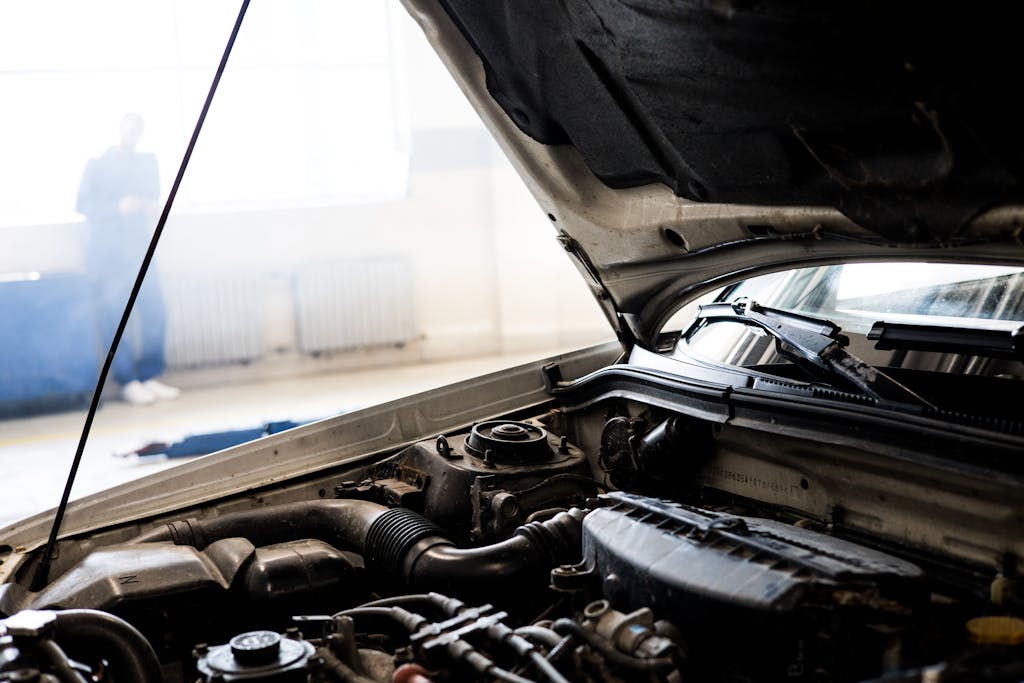
Top Reasons Cars Lose Power While Driving
When a vehicle unexpectedly loses power while driving, it can be attributed to several key mechanical and electrical issues. Clogged fuel filters restrict fuel flow. A failing alternator disrupts the electrical system. Faulty spark plugs lead to engine misfires. Problems with the mass airflow sensor cause imbalances in air-fuel mixtures. Further complications can arise from leaking vacuum hoses, dirty air filters, transmission troubles, and exhaust blockages. What’s the underlying issue in your situation?
Clogged Fuel Filter
A clogged fuel filter is a common cause of power loss in vehicles, and it poses significant challenges to engine performance. When debris accumulates in the fuel filter, it results in restricted fuel flow. This restriction prevents the engine from receiving an adequate supply of fuel, leading to reduced efficiency and power output. Regular fuel filter maintenance is essential to prevent such issues. It involves inspecting and replacing the fuel filter at manufacturer-recommended intervals. Neglecting this maintenance can lead to increased engine strain and potential long-term damage. Technicians advise checking for signs of fuel delivery problems, such as sputtering or stalling, as these may indicate a clogged filter. Consequently, maintaining a clean fuel filter is pivotal for ideal vehicle performance.
Failing Alternator
A failing alternator can profoundly impact vehicle performance by impairing the electrical system and causing the battery to drain. Signs of alternator failure include dimming headlights, malfunctioning accessories, and warning lights on the dashboard. If unaddressed, these issues can lead to complete loss of power, leaving the vehicle unable to operate.
Signs of Alternator Failure
When diagnosing a vehicle’s loss of power, identifying signs of alternator failure is essential for effective troubleshooting. A failing alternator can exhibit several symptoms that are crucial for detection:
- Dimming Dashboard Lights: When the alternator is not functioning properly, it may not supply sufficient power, causing the dashboard lights to dim when the vehicle is running.
- Battery Charging Problems: An alternator unable to charge the battery adequately will often lead to a depleted battery, resulting in starting difficulties and potential power loss during operation.
- Unusual Noises: A malfunctioning alternator might produce grinding or whining sounds due to worn-out bearings or other internal components, indicating the need for immediate inspection and potential replacement.
Recognizing these signs promptly can prevent further complications and guarantee timely corrective action.
Impact on Vehicle Performance
The performance of a vehicle can be substantially compromised by a failing alternator, affecting various operational aspects. A malfunctioning alternator can lead to engine performance degradation due to insufficient electrical power supply. Essential components reliant on electricity, such as the ignition and fuel systems, may not function ideally, causing erratic engine behavior. This degradation often manifests as difficulty starting the engine, misfires, or stalling. Additionally, reduced fuel efficiency is a common consequence, as the engine compensates for the lack of electrical power by consuming more fuel to maintain operational capacity. Continuous power loss may lead to further mechanical issues, increasing repair costs. Prompt diagnosis and replacement of a failing alternator are imperative to restore vehicle performance and maintain fuel economy.
Faulty Spark Plugs
Faulty spark plugs can lead to significant ignition system malfunctions, resulting in a noticeable loss of engine power. When spark plugs fail to ignite the air-fuel mixture effectively, it causes engine misfires, which are a primary cause of reduced vehicle performance. Regular inspection and replacement of spark plugs are essential to maintaining ideal engine function and preventing power loss while driving.
Ignition System Malfunction
Spark plugs play a critical role in the ignition system by providing the necessary spark to ignite the air-fuel mixture in the engine’s cylinders. When spark plugs are faulty, the ignition system can malfunction, leading to a loss of engine power. A malfunction can be attributed to several factors:
- Faulty Ignition Coils: These can cause inconsistent spark delivery, resulting in incomplete combustion and reduced power.
- Insufficient Fuel Pressure: This can prevent the air-fuel mixture from being at the ideal ratio for combustion, further diminishing engine efficiency.
- Wear and Tear: Over time, spark plugs can suffer from wear, leading to gaps in the spark or no spark at all, consequently disrupting the ignition process.
Proper maintenance of these components is essential for excellent engine performance.
Engine Misfire Causes
When examining engine misfires, faulty spark plugs are a primary consideration due to their critical role in the combustion process. Spark plugs initiate combustion by igniting the air-fuel mixture in the engine’s cylinders. If they become worn or damaged, they can cause incomplete combustion, leading to rough idling, reduced power, and increased emissions. Low oil pressure may exacerbate this issue, as insufficient lubrication can lead to overheating and premature spark plug deterioration. Additionally, poor compression, often resulting from worn piston rings or valve issues, can prevent the spark plugs from effectively igniting the mixture, further contributing to misfires. Regular maintenance, including timely replacement of spark plugs, is essential to prevent these issues and guarantee optimal engine performance.
Malfunctioning Mass Airflow Sensor
A malfunctioning mass airflow sensor can drastically impact a vehicle’s performance, leading to a noticeable loss of power while driving. The sensor measures the volume of air entering the engine, allowing the engine control unit to adjust fuel delivery efficiently. Several issues can cause sensor failure:
- Contaminated Sensor: Dirt and debris accumulation on the sensor elements can lead to inaccurate readings, impairing engine performance.
- Sensor Degradation: Over time, wear and tear on the sensor may cause its precision to diminish, resulting in erratic engine behavior and power loss.
- Electrical Connection Issues: Poor connectivity or damaged wiring can disrupt the sensor’s signal, leading to miscalculations in air-fuel mixture adjustments.
Regular maintenance and diagnostics can prevent these issues, ensuring ideal engine performance.
Leaking Vacuum Hoses
In addition to issues with the mass airflow sensor, leaking vacuum hoses can also contribute considerably to a vehicle’s loss of power while driving. Faulty vacuum hoses disrupt the engine’s ability to maintain ideal air pressure, crucial for efficient fuel combustion. Vacuum hose leaks result in an imbalance in the air-fuel mixture, causing the engine to run inefficiently, which leads to a noticeable reduction in power. Identifying vacuum hose leaks involves inspecting the hoses for cracks, brittleness, or disconnections. Utilizing a smoke machine can aid in detecting smaller leaks not easily visible. Timely replacement of faulty vacuum hoses is essential to restore engine performance. Neglecting this issue can exacerbate power loss and potentially lead to further engine complications.
Dirty Air Filter
An obstructed air filter considerably impairs engine performance by restricting airflow into the engine. Over time, dust and debris accumulate, leading to clogged air ducts and a restricted air intake. This condition can dramatically reduce engine power and efficiency.
To identify a dirty air filter, car owners should consider:
- Visual Inspection: Check for visible dirt and debris on the filter. A clean filter should allow light to pass through.
- Performance Symptoms: Notice any loss in acceleration or unusual engine sounds. These may indicate restricted airflow.
- Fuel Consumption: Monitor for increased fuel usage as the engine compensates for reduced air supply.
Regular maintenance, including timely replacement of air filters, guarantees optimal engine performance and prevents further complications.
Transmission Issues
While air filters affect airflow, the transmission plays a crucial role in translating engine power to wheel movement. Transmission issues often lead to a noticeable reduction in vehicle performance. Worn transmission components, such as gears and bearings, can cause slippage, resulting in a loss of power transfer efficiency. This slippage reduces the amount of engine power reaching the wheels, leading to diminished acceleration and responsiveness.
Furthermore, transmission fluid contamination is a critical factor affecting performance. Contaminated fluid can disrupt the hydraulic pressure necessary for smooth gear shifts, causing the transmission to operate inefficiently. Regular maintenance, including checking and replacing transmission fluid, is indispensable to prevent such issues. Identifying early signs of wear can help maintain optimal transmission function, ensuring consistent vehicle performance.
Fuel Pump Failure
A vital component in the fuel delivery system, the fuel pump ensures that the engine receives a consistent supply of fuel at the correct pressure. Failure in this component can lead to a sudden loss of power while driving. Common causes of fuel pump failure include:
- Faulty Fuel Pump Relay: This can disrupt the electrical flow necessary for the pump’s operation, causing intermittent or complete power loss.
- Fuel Pump Electrical Issues: Wiring defects or connector corrosion can impede the electrical current, leading to improper fuel delivery.
- Worn Out Pump Mechanism: Over time, the pump’s internal components may degrade, resulting in decreased efficiency and inconsistent fuel pressure.
Identifying and resolving these issues is essential to maintain optimal vehicle performance and prevent unexpected power loss.
Exhaust System Blockage
Many vehicles encounter power loss due to exhaust system blockages, which substantially hinder engine performance. A primary cause of such blockages is catalytic converter issues. When a catalytic converter becomes clogged, it restricts the flow of exhaust gases, leading to increased exhaust backpressure problems. This heightened backpressure forces the engine to work harder to expel exhaust gases, thereby reducing its efficiency and power output.
Additionally, mufflers or exhaust pipes can become obstructed by debris or corrosion, further exacerbating exhaust flow restrictions. Regular maintenance checks can help identify and rectify exhaust blockages. Technicians often use diagnostic tools to measure backpressure and inspect the catalytic converter for signs of clogging. Timely intervention can prevent extensive damage and restore ideal engine performance.
Frequently Asked Questions
Can Extreme Weather Conditions Cause a Car to Lose Power?
Yes, extreme weather conditions can cause a car to lose power. Sudden temperature fluctuations and atmospheric pressure changes can affect engine performance by altering air-fuel mixture, impacting combustion efficiency, and potentially leading to reduced power output.
How Does Tire Pressure Affect a Car’s Power While Driving?
Improper tire pressure affects a car’s power by altering tire wear patterns and causing improper wheel alignment. This increases rolling resistance, requiring more engine output, ultimately reducing the vehicle’s overall efficiency and perceived power during operation.
Can Using the Wrong Grade of Fuel Affect Engine Power?
Yes, using the wrong fuel grade can affect engine power. It can lead to inadequate fuel flow and improper fuel mixture, causing inefficient combustion, reduced performance, and potential long-term damage to engine components.
Does the Weight of the Vehicle Influence Power Loss?
Yes, the vehicle’s weight influences power loss. An increased weight elevates engine load capacity demands, leading to higher fuel consumption impact, which can strain the engine and reduce its efficiency, ultimately causing a noticeable power loss.
How Do Electronic Control Unit (ECU) Issues Affect Engine Performance?
Electronic control unit (ECU) issues can diminish engine performance by causing sensor malfunctions and electrical wiring problems. These disruptions lead to inaccurate data processing and communication failures, impairing the engine’s ability to operate efficiently and maintain ideal power output.

