Common Types of Auto Accident Claims and How They Work

In the aftermath of an auto accident, understanding the types of claims available is vital. From bodily injury and property damage to wrongful death and uninsured/underinsured motorist claims, each serves a unique purpose and carries its own set of complexities. To secure a fair settlement, it is essential to understand how these claims function within…

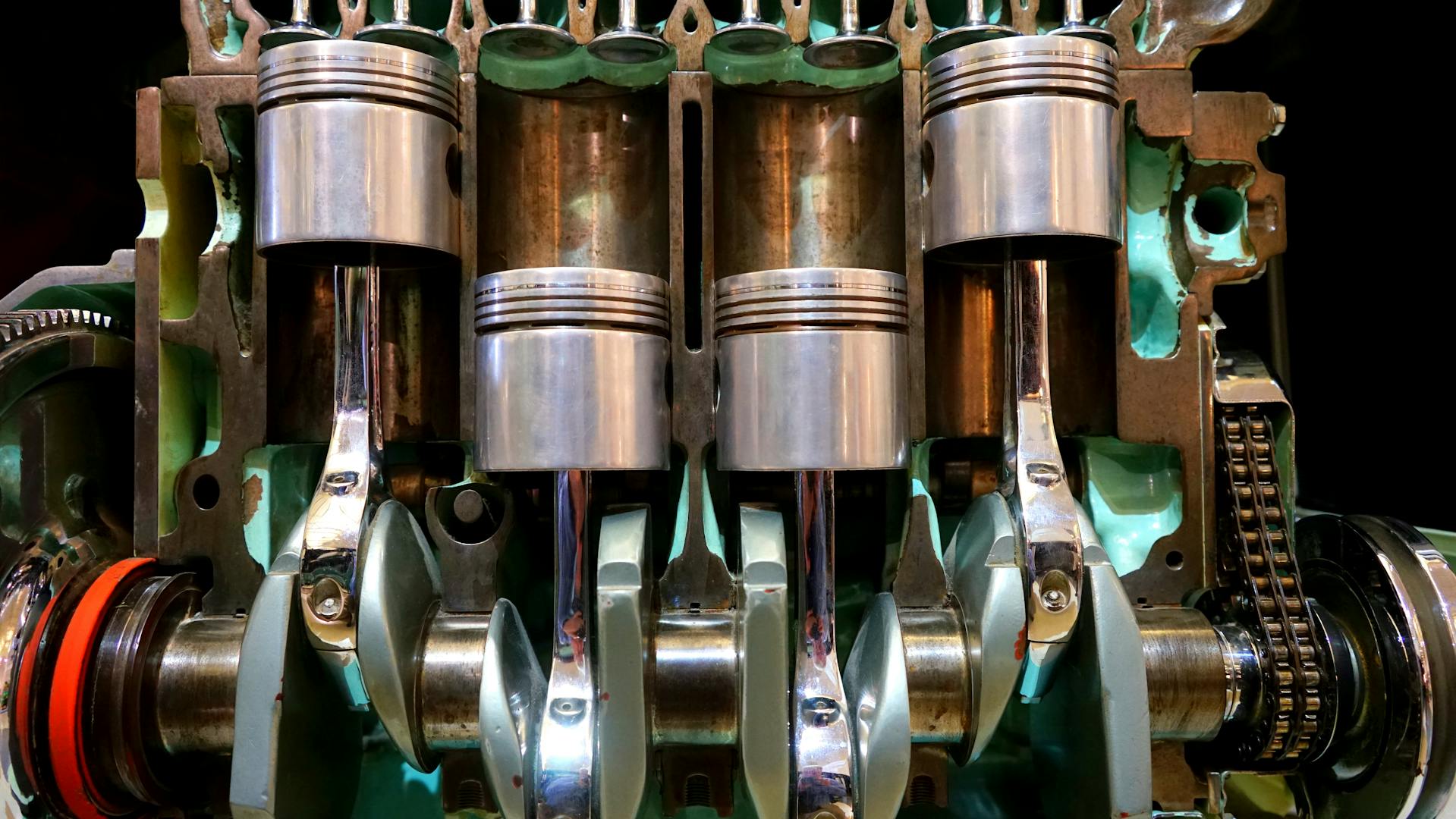
How Mechanical Failures Can Affect Liability in an Accident

The intricate relationship between mechanical failures and liability in the context of vehicular accidents raises several legal and ethical questions. Does a brake failure exonerate the driver completely, or does the ultimate responsibility still lie with them? Where does the manufacturer’s liability begin and end in cases of faulty or defective parts? As we examine…

Understanding Insurance Adjusters: What You Should Know

Understanding the role of insurance adjusters is an important yet often overlooked aspect of managing insurance claims. These professionals make determinations on the insurer’s liability, contributing greatly to the outcome of your claim. Their roles vary, with each type of adjuster bringing distinctive skills and perspectives to the assessment process. As a policyholder, are you…

What to Do If You Suspect Faulty Repairs Caused Your Accident

Accidents, though unfortunate, are a commonplace in our daily lives, and their causes may be as diverse as the incidents themselves. One potential cause that is often overlooked is the impact of faulty repairs. What would be your course of action if you found yourself in the unenviable position where a mishap could be traced…

Documenting an Auto Accident: Photos, Reports, and More

Understanding the importance of adequately documenting an auto accident is crucial for everyone who operates a vehicle. This process, which includes capturing detailed photographs, obtaining thorough reports, and preserving essential physical evidence, can greatly influence the outcome of insurance settlements and potential legal proceedings. But how can you guarantee the documentation you gather will effectively…

|

How Police Reports Impact Your Accident Claim

The pivotal role that police reports play in determining the outcome of accident claims cannot be overstated. These reports, containing unbiased details of the incident and establishing fault, often serve as the foundation upon which insurance companies base their negotiations. However, the presence of inaccuracies can notably hamper your claim. Understanding how to leverage these…

Grayscale Photo of Ford Pickup Truck

California Emission Standards for Turbo Kits

As we examine the landscape of California’s stringent emission standards, the impact on turbo kits, a popular performance modification for car enthusiasts, becomes increasingly significant. The requirement for these kits to receive CARB certification, including an Executive Order number, signifies a strict compliance to the same emission limits as naturally aspirated engines. Given the potential…

How to Make My Car Faster
| |

How to Make My Car Faster

In the domain of automotive performance, speed is often the primary goal. Yet, achieving speed is a nuanced process, involving a balance of several key components, from the air intake system and exhaust to the type of tires and the car’s aerodynamics. Regular maintenance, such as oil changes and tire pressure checks, also play a…

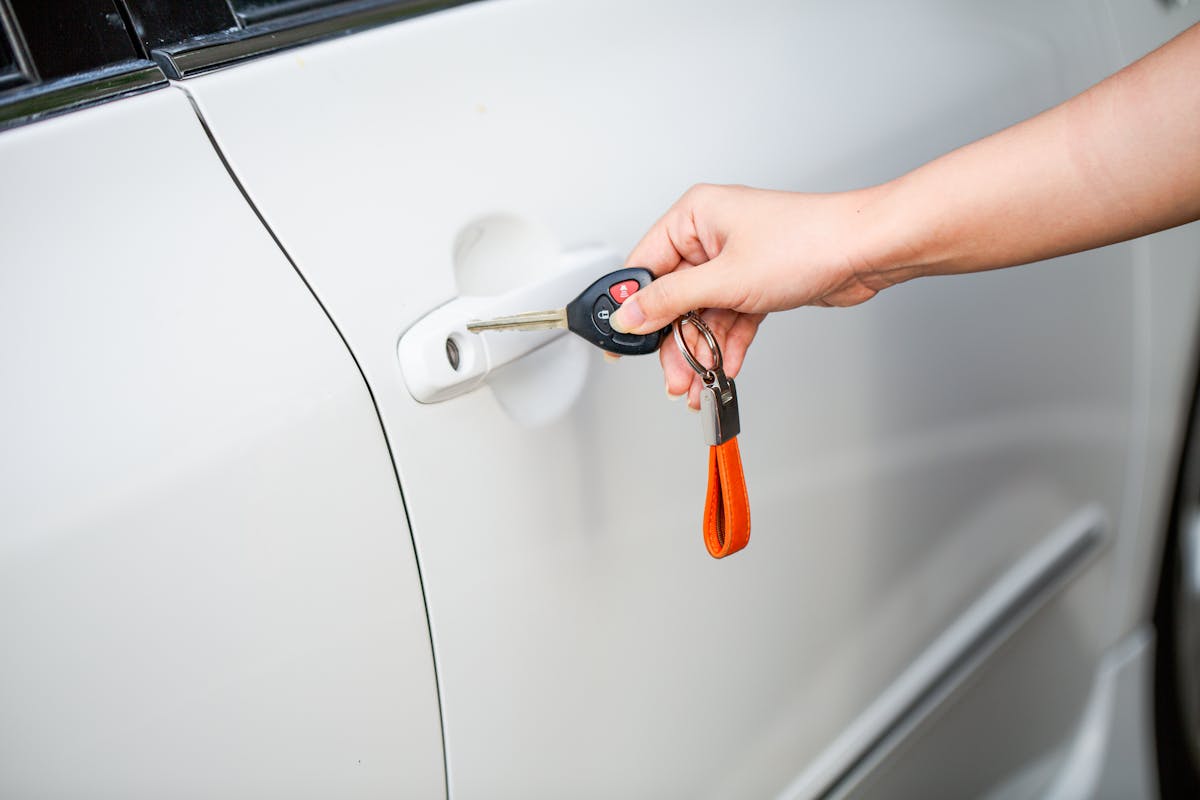
A Person Holding a Car Key Near a Car Door
|

Door Lock Actuator Symptoms

The door lock actuator, an often overlooked component, plays an essential role in maintaining the security of your vehicle. When this part begins to fail, it exhibits distinct symptoms such as unresponsive locks, abnormal noises, or irregular lock cycling. These issues can compromise the safety of your vehicle, making it imperative to understand and identify…

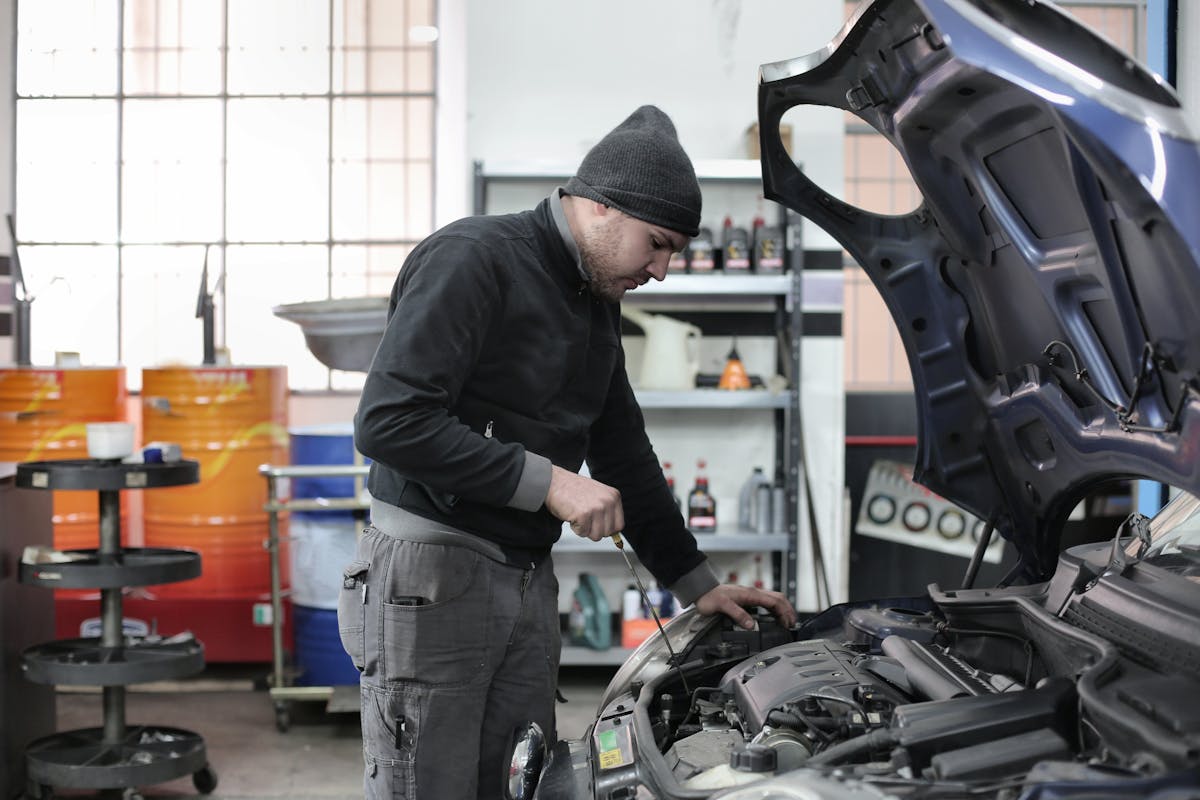
Photo of Man Inspecting Car Engine
|

Can Too Much Oil Cause Low Oil Pressure

The connection between oil quantity and oil pressure in an engine is a topic that can often lead to confusion and misconceptions. While it might seem counterintuitive, an excess of oil can actually result in a decrease in oil pressure. This is due to a variety of factors, including the interference of the crankshaft and…