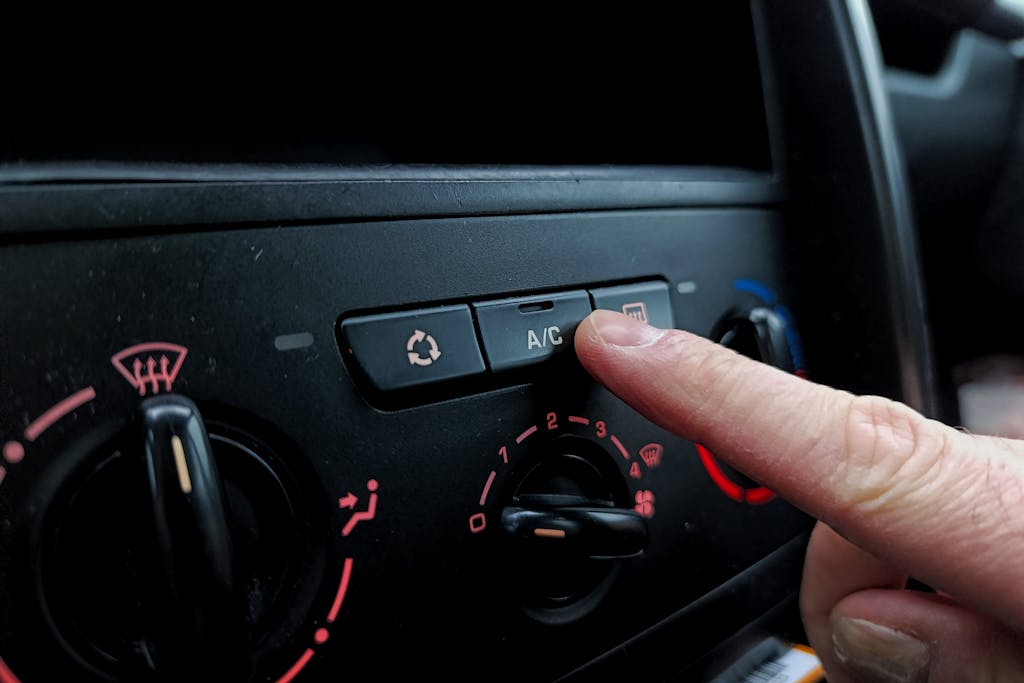
Why Your Car AC Blows Hot Air and How to Fix It
When your car’s air conditioning starts blowing hot air, it can be attributed to several potential issues, each requiring detailed examination. From refrigerant leaks to electrical malfunctions, and clogged filters to compressor failures, these components play indispensable roles in your AC’s performance. Understanding each cause and how to address it is essential for effective troubleshooting. Discovering the exact issue is a methodical process that can prevent further complications and maintain your vehicle’s comfort systems in optimal condition.
Common Causes of Hot Air From Your Car’s AC
One prevalent cause of a car’s air conditioning system emitting hot air is a refrigerant leak. This issue often results in low refrigerant levels, which are critical for the AC to function effectively. Refrigerant acts as the working fluid that absorbs heat from the car’s interior. When levels are insufficient, the system’s ability to cool is compromised, leading to the emission of warm air. Additionally, poor airflow can exacerbate the situation, as it hinders the efficient circulation of the refrigerant. This can occur due to a clogged cabin air filter, obstructed vents, or malfunctioning blower motors. Ensuring proper airflow and maintaining adequate refrigerant levels are essential to prevent the AC system from delivering unsatisfactory performance.
Identifying Refrigerant Leaks
Identifying refrigerant leaks is crucial in maintaining ideal vehicle air conditioning performance. Common indicators of refrigerant leaks include diminished cooling efficiency, hissing sounds from the AC system, and visible residue around AC components. To accurately detect these leaks, professionals employ methods such as electronic leak detectors, UV dye injection, and soap bubble testing to guarantee precise identification and resolution.
Common Leak Indicators
When diagnosing issues with a car’s air conditioning system, recognizing the signs of refrigerant leaks is essential for effective troubleshooting. A key indicator of such leaks includes diminished refrigerant charge levels, often resulting in a noticeable drop in cooling efficiency. As the refrigerant depletes, the system struggles to maintain ideal temperatures, causing the AC to blow hot air. Additionally, condensation buildup around the AC components can signal a potential leak, as refrigerant loss often leads to moisture accumulation. Visible traces of oil or dye near hoses, connections, or compressor fittings may also indicate compromised sealing. Early detection of these symptoms can prevent further system degradation, ensuring that the air conditioning unit operates efficiently and prolonging the vehicle’s overall performance.
Leak Detection Methods
Effective identification of refrigerant leaks in a car’s air conditioning system requires a systematic approach utilizing both visual and instrumental techniques. Technicians often begin with leak isolation techniques, such as inspecting common failure points including hoses, connections, and the compressor. Ultraviolet (UV) dye can be introduced into the system to visually pinpoint leaks under a UV light. Additionally, electronic leak detectors provide precise instrumental support by sensing refrigerant presence. Refrigerant charge verification is vital; observing system pressures and temperatures helps confirm if low refrigerant levels indicate a leak. Pressure testing, using nitrogen gas, can further isolate problematic areas when combined with soapy water to detect bubbles. This thorough method guarantees accurate diagnosis, facilitating effective repairs and restoring ideal AC functionality.
Electrical System Issues Affecting AC Performance
How exactly do electrical system issues impact the performance of a car’s air conditioning system? Electrical component failures can drastically degrade AC functionality. For instance, a malfunctioning control module, which governs the operation of the AC system, can lead to erratic temperature control or complete system shutdown. Faulty wiring or a blown fuse within the electrical circuit disrupts the transmission of power to critical components, such as the compressor clutch or blower motor, thereby inhibiting their operation. Additionally, relay failures can prevent the AC components from receiving necessary signals to function correctly. Each of these electrical issues can result in the AC system blowing hot air, as they impede the system’s ability to regulate and circulate cooled air effectively.
Diagnosing Faulty AC Compressors
Diagnosing faulty AC compressors involves systematically identifying symptoms such as unusual noises, reduced airflow, and inconsistent cooling. Technicians must conduct a thorough examination by testing compressor functionality, which includes evaluating the clutch engagement, measuring the refrigerant pressure, and assessing the electrical components. Accurate diagnosis is essential to determine whether the compressor requires repair or replacement, ensuring the vehicle’s AC system operates efficiently.
Identifying Compressor Symptoms
When attempting to determine why a vehicle’s air conditioning system is malfunctioning, understanding the signs of a faulty compressor is indispensable. Compressor efficiency plays a paramount role in the overall performance of the AC system. A decrease in compressor efficiency often manifests as inconsistent cooling, strange noises, or fluid leaks, which can indicate internal wear or damage. Conducting precise compressor diagnostics is essential for identifying issues, such as seized components or electrical malfunctions. Observing changes in pressure readings from the high and low sides of the system can further reveal compressor-related problems. Additionally, the presence of metallic debris in the AC system may suggest internal compressor failure. Recognizing these symptoms promptly prevents further damage and informs necessary repair or replacement actions.
Testing Compressor Functionality
To accurately assess compressor functionality in a vehicle’s air conditioning system, technicians must employ a systematic diagnostic approach. Central to this process is compressor amperage monitoring, which involves measuring the electrical current drawn by the compressor. Deviations from normal amperage could signal internal mechanical issues or electrical faults. Additionally, observing compressor cycling behavior provides insights into potential irregularities. Frequent cycling may suggest issues such as refrigerant leaks or thermostat malfunctions, whereas prolonged cycling could indicate inadequate cooling efficiency. Technicians should also inspect for obstructions in the refrigerant flow that may hinder performance. Analyzing these parameters enables precise identification of faulty components, ensuring that corrective actions can be undertaken to restore ideal compressor function, ultimately improving the air conditioning system’s performance.
The Role of Clogged Filters in AC Malfunctions
A frequent contributor to air conditioning inefficiency in vehicles is a clogged cabin air filter. This obstruction leads to restricted airflow, which diminishes the system’s ability to cool the vehicle’s interior effectively. A blocked filter causes the HVAC fan to work harder, potentially resulting in premature wear. Additionally, restricted airflow exacerbates issues related to clogged condensate drainage, which can cause moisture to accumulate within the system. This moisture buildup may lead to mold growth, further impairing the filter’s functionality and air quality. Regular maintenance, including the timely replacement of the cabin air filter, is essential in preventing these issues. By ensuring the filter remains unobstructed, vehicle owners can maintain ideal AC performance and avoid the discomfort of hot air circulation.
Inspecting the AC Condenser for Blockages
Inspecting the AC condenser for blockages is a critical step in diagnosing issues with a vehicle’s air conditioning system. The condenser, located at the front of the vehicle, dissipates heat from the refrigerant. Checking condenser coil condition involves examining the coils for dirt, debris, and obstructions that may impede airflow.
Physical damage to the condenser, such as bent fins or leaks, can also compromise function. The following checklist aids in a thorough inspection:
- Examine for accumulated debris: Leaves, dirt, and insects can restrict airflow.
- Inspect for physical damage: Look for bent fins or punctures affecting efficiency.
- Check for leaks: Fluid leaks indicate compromised integrity.
- Assess coil condition: Dirty or clogged coils reduce heat exchange effectiveness.
Regular maintenance and inspections guarantee optimal AC performance.
Evaluating the AC Expansion Valve
Another key component of the vehicle’s air conditioning system, after guaranteeing the condenser is unobstructed, is the AC expansion valve. This valve regulates the flow of refrigerant into the evaporator, maintaining ideal pressure for effective heat exchange. When evaluating the AC expansion valve, it is critical to conduct expansion valve testing to identify any functional discrepancies. Testing involves monitoring the valve’s response to pressure changes, guaranteeing it opens and closes properly. A malfunctioning valve can result in insufficient cooling, leading to hot air being blown through the vents. If testing reveals defects or irregularities, an expansion valve replacement becomes necessary. It is advisable to consult a professional technician for both testing and replacement to ensure proper system functionality and avoid further complications.
Simple Maintenance Tips to Prevent AC Problems
While guaranteeing paramount performance of a vehicle’s air conditioning system, incorporating a routine maintenance schedule is indispensable to prevent common AC problems. Regularly performing routine AC maintenance tasks can mitigate the risk of system malfunctions. Seasonal AC inspections are particularly crucial as they help identify potential issues before they lead to system failure. Simple maintenance measures include:
- Checking refrigerant levels: Ensures the system operates efficiently and prevents compressor damage.
- Cleaning or replacing cabin air filters: Enhances airflow and maintains optimal cooling performance.
- Inspecting AC belts and hoses: Identifies signs of wear or leaks, essential for preventing unexpected breakdowns.
- Running the AC periodically: Keeps the compressor lubricated and functional, even during off-seasons.
Consistently adhering to these practices ensures longevity and reliability of the AC system.
When to Seek Professional Help for AC Repairs
When should one seek professional help for AC repairs? If the car’s AC system continues to blow hot air despite basic troubleshooting, it may be time to contemplate hiring qualified technicians. Complex issues like refrigerant leaks, electrical faults, or compressor failures require specialized diagnostic tools and expertise. Attempting to fix these without professional help can exacerbate the problem. Conducting a cost-benefit analysis is indispensable. While DIY repairs may seem cost-effective, improper handling could lead to more expensive damage. Professional services guarantee accurate diagnostics and reliable repairs, mitigating further risks. Additionally, technicians provide warranties on their work, which might save future costs. Overall, investing in skilled professionals can deliver long-term savings and restore ideal AC performance.
Frequently Asked Questions
Can a Car’s AC System Affect Fuel Efficiency?
Yes, a car’s AC system can impact fuel efficiency. When activated, it demands more engine power, leading to reduced fuel economy. Additionally, frequent use may result in increased maintenance costs due to wear on components.
How Does Humidity Impact Car AC Performance?
Ambient humidity levels can affect car AC performance by increasing compressor workload, leading to variations in compressor performance. Higher humidity requires the system to work harder to remove moisture, potentially reducing overall cooling efficiency and effectiveness.
Are Aftermarket AC Parts Reliable for Repairs?
Aftermarket AC parts can be reliable for repairs if chosen carefully. They offer cost-effective installation but require professional installation expertise to guarantee proper function and compatibility, preventing potential issues with performance and longevity in the vehicle’s system.
What Are Signs of AC System Overcharging?
Signs of an overcharged AC system include excessive refrigerant charge leading to high pressure, resulting in compressor cycling issues. This can cause insufficient cooling, increased compressor wear, and potential damage to other AC components, compromising overall system efficiency.
Can Engine Overheating Influence AC Efficiency?
Yes, engine overheating can influence AC efficiency. It may lead to compressor health issues and exacerbate refrigerant leaks, causing the system to lose cooling capacity and operate inefficiently, ultimately compromising the vehicle’s interior climate control.